
How to Create a Hotel-Style Guest Bedroom?
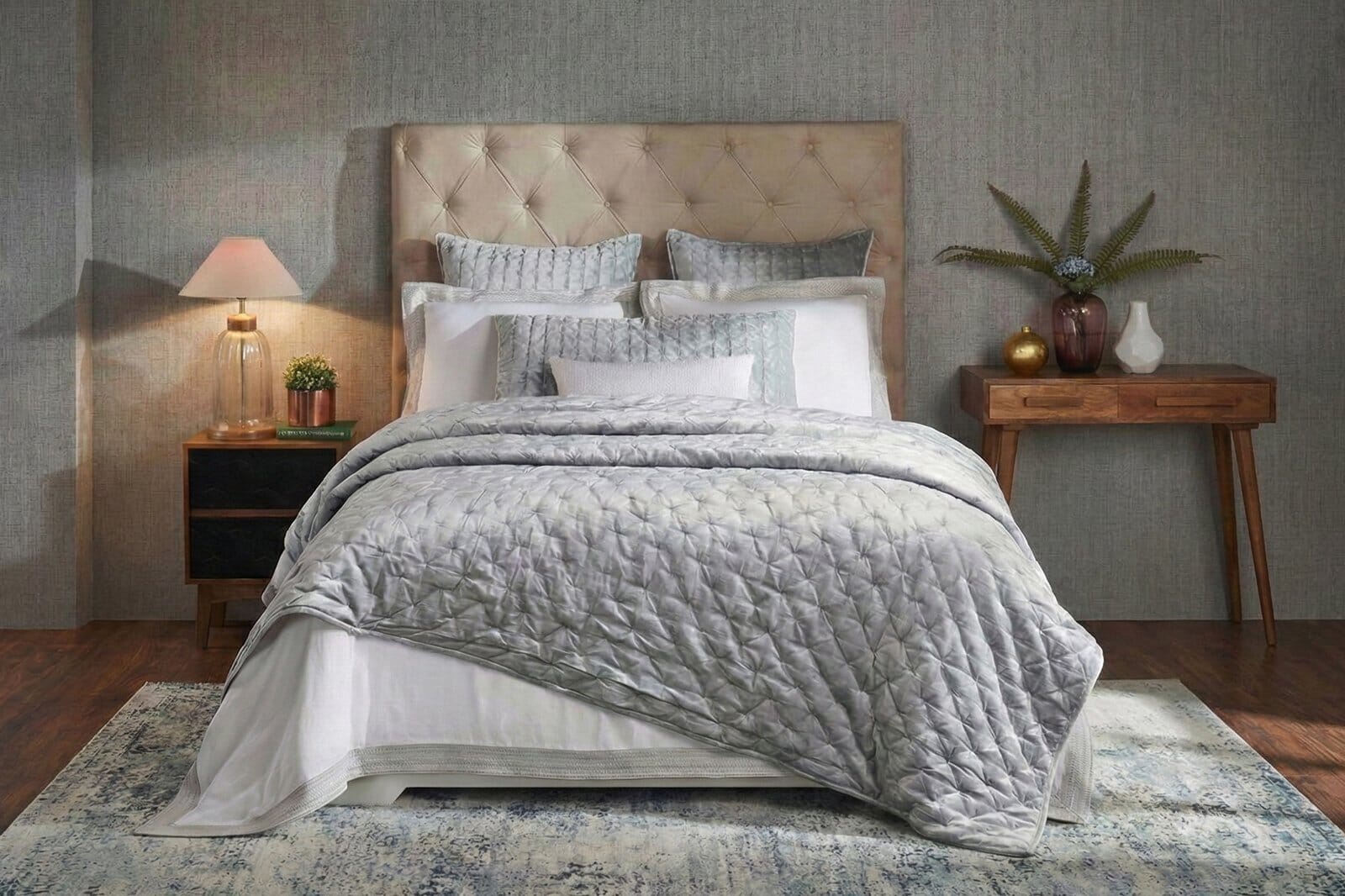
When guests sleep well, everything feels better the next day: conversations, plans, even mornings. That’s why your guest bedroom should feel like a soft landing, not a storage room with a bed in it. And here’s the good news: you don’t have to overdo it to get that hotel-style feeling. The best hotel rooms aren’t cluttered, they’re thoughtful. They get the essentials right, so you feel comfortable the moment you walk in, and cared for the moment you lie down.
That’s the exact vibe you want to create for your own guests, too.
In this blog, we’re not asking you to replace your bed frame or repaint the walls. Instead, we’re focusing on the easiest upgrades to swap, layer, or refresh: bedding choices that look crisp, a duvet setup that’s simple to wash, pillows that feel supportive (without turning into a pile-up), and a few small extras that quietly say, “Make yourself at home.”
Table of Contents
Protect the Mattress Before Anything Else
If you want your guest bedroom to feel hotel-level, start where hotels start: the mattress. A supportive, comfortable mattress (and one that’s in good condition) does more for the guest experience than any decorative pillow ever will. Next, add a mattress protector. In a guest bedroom, it’s the behind-the-scenes hero that keeps everything feeling fresh, clean, and truly hotel-ready. It’s a simple upgrade with big payoffs:
– Helps your mattress last longer by guarding against spills, stains, and daily wear, so you’re not replacing it sooner than you need to.
– Keeps the bed more hygienic by blocking moisture, bacteria, dust mites, and allergens from settling into the mattress.
– Improves guest comfort and confidence because the sleep surface feels cleaner and more “new,” which matters a lot in a room that isn’t used every day.
– Saves money and effort over time by reducing deep-cleaning needs and protecting a costly mattress investment.
– Supports a more eco-minded setup if you choose durable, washable, breathable materials (a small detail that fits the growing preference for sustainable stays).
Quick clarification: people often mix up mattress protector, mattress pad, and mattress cover, but for a guest bedroom, a mattress protector is usually the best go-to. It’s made for hygiene and defense, creating a breathable barrier against sweat, allergens, etc. A mattress pad is mainly for extra cushioning and comfort (not protection), while a mattress cover/encasement fully wraps the mattress with a zipper for 360-degree coverage, which can be useful if allergies or pest prevention are a bigger concern. For most homes, though, a quality protector hits the sweet spot: it keeps the bed guest-ready without adding bulk or hassle.
Go for Sheets That Look Crisp
If the bed doesn’t look crisp, it won’t feel hotel-style. Hotels obsess over crisp sheets for a reason: they’re the first layer guests actually feel, so they set the tone for the whole stay. For a guest bedroom, 100% cotton sheets are the safest bet. They’re breathable, comfortable across seasons, and tend to suit both warm and cool sleepers.
If you want a more elevated feel, Egyptian cotton is a popular upgrade because its longer fibers can feel smoother and more durable over time. Instead of getting hypnotized by huge thread-count numbers, aim for the comfort-meets-durability sweet spot: 300 to 500. It holds up well through repeated washing and it’s a good reminder that thread count isn’t everything. The weave is what shapes the feel and finish.
To get that crisp, hotel-inspired finish, pay attention to weave:
– Percale feels cool, clean, and structured (very “classic hotel”).
– Sateen feels smoother with a subtle sheen and is usually a bit more wrinkle-resistant.

One last detail that makes a big difference: fit. Nothing disrupts sleep faster than a fitted sheet popping off at 2 a.m. Measure your mattress depth and choose deep-pocket sheets with strong all-around elastic so the surface stays smooth and secure.
If the bed doesn’t look crisp, it won’t feel hotel-style. Hotels obsess over crisp sheets for a reason: they’re the first layer guests actually feel, so they set the tone for the whole stay. For a guest bedroom, 100% cotton sheets are the safest bet. They’re breathable, comfortable across seasons, and tend to suit both warm and cool sleepers. If you want a more elevated feel, Egyptian cotton is a popular upgrade because its longer fibers can feel smoother and more durable over time. Instead of getting hypnotized by huge thread-count numbers, aim for the comfort-meets-durability sweet spot: 300 to 500. It holds up well through repeated washing and it’s a good reminder that thread count isn’t everything. The weave is what shapes the feel and finish.
To get that crisp, hotel-inspired finish, pay attention to weave:
– Percale feels cool, clean, and structured (very “classic hotel”).
– Sateen feels smoother with a subtle sheen and is usually a bit more wrinkle-resistant.
One last detail that makes a big difference: fit. Nothing disrupts sleep faster than a fitted sheet popping off at 2 a.m. Measure your mattress depth and choose deep-pocket sheets with strong all-around elastic so the surface stays smooth and secure.
Choose a Duvet With a Washable Cover
If you want a guest bed that feels polished but doesn’t turn into a laundry project, a duvet plus a washable cover is the easiest win. A duvet setup lets you wash the cover regularly while keeping the insert protected. It’s one of the reasons this is the go-to layering style in higher-end hotels: it stays fresh, fast. For the “plush hotel” feel, focus on the insert. Look for a fluffy fill that has good loft, whether that’s down or a quality down-alternative. The goal is a cozy, cloud-like layer that looks full on the bed and feels warm without being heavy.
The other perk is how easily you can adjust it through the year. Keep one insert you love, then rotate covers seasonally. In summer, choose lighter, breathable fabrics that feel cool against the skin, like cotton, linen, or bamboo. When temperatures drop, switch to a warmer cover that feels cozy and insulating, like flannel (or even velvet if you want extra drama and warmth). For in-between seasons, a smooth cotton or sateen cover keeps things comfortable and looks effortlessly pulled together.
Offer Pillow Options Without the Pile-Up
The kind of pillow you choose in a guest bedroom can genuinely affect how rested someone feels in the morning, because most sleepers don’t stay perfectly still all night. People shift and resettle repeatedly, and research-grade sleep monitoring has documented dozens of position changes across a night (so support has to work even when someone moves).
That’s where pillow fill starts to matter. If you’re aiming for that hotel feel, feather or down is the classic choice because it’s naturally moldable. Guests can scrunch it, shape it, and adjust it quickly as they change positions, which makes it feel immediately comfortable instead of “fixed.” If you want something with a bit more structure, memory foam is the opposite vibe in a good way: it gently contours to the head and neck and holds a consistent shape, which some guests find especially supportive. (Just keep in mind it can sleep warmer for hot sleepers.) And if you want the easiest, most guest-proof option overall, down-alternative (synthetic) pillows are a great middle ground. They’re plush, widely comfortable, and typically simpler to wash and maintain, especially if you’re considering allergy sensitivities.
As Harvard Health Publishing points out, a pillow can either support good sleep or work against it, depending on its firmness and how you tend to sleep. Whichever fill you choose, the biggest thing is avoiding extremes. We recommend skipping anything that’s overly high or stiff, because that can keep the neck angled awkwardly for hours. The result is usually the same: guests wake up feeling stiff instead of refreshed. The goal is a pillow that supports without forcing a position.
To keep it both comfortable and styled, we like a simple setup that gives options without looking cluttered: 2 + 2 + 1. That’s two sleeping pillows in pillowcases (the functional base), two matching shams (for that crisp hotel finish), and one accent pillow to complete the look, without turning the bed into a pillow obstacle course.
Pick a Neutral, Easy-Care Bedding Palette
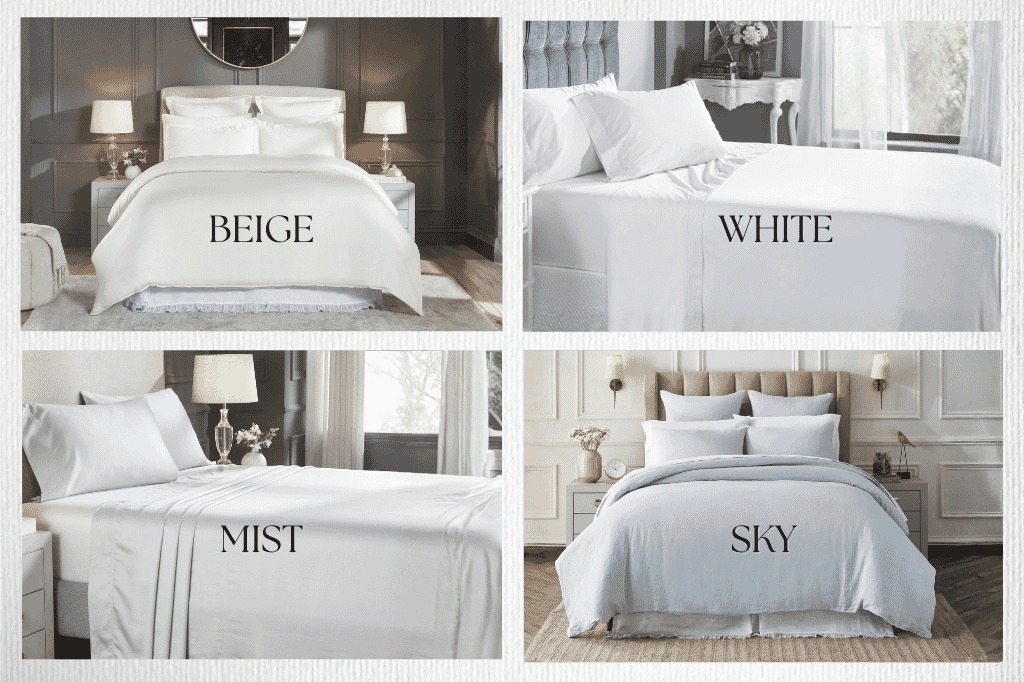
Color does a lot of quiet work in a guest bedroom. The right palette makes the whole space feel calmer the second someone walks in and it helps guests settle in and actually rest. For an easy-care, hotel-style look, start with a light, soothing base: cloud white, warm ivory, soft gray, sky, or sandy beige. These shades feel clean and fresh, and they’re easy to mix and rotate without the bed looking “thrown together.” If you want a little more color without losing that relaxed vibe, layer in gentle tones like powdery blush, pale misty blue, or muted sage. They bring a spa-like calm that makes the room feel instantly more restful.
Then keep it simple: choose one accent color to add personality without creating clutter. A throw blanket or a couple of cushions is the easiest place to do it. They can add just enough contrast to feel styled, while still staying peaceful. The best part is you can switch that accent seasonally and refresh the whole look without changing everything.
Color does a lot of quiet work in a guest bedroom. The right palette makes the whole space feel calmer the second someone walks in and it helps guests settle in and actually rest. For an easy-care, hotel-style look, start with a light, soothing base: cloud white, warm ivory, soft gray, sky, or sandy beige. These shades feel clean and fresh, and they’re easy to mix and rotate without the bed looking “thrown together.” If you want a little more color without losing that relaxed vibe, layer in gentle tones like powdery blush, pale misty blue, or muted sage. They bring a spa-like calm that makes the room feel instantly more restful.
Then keep it simple: choose one accent color to add personality without creating clutter. A throw blanket or a couple of cushions is the easiest place to do it. They can add just enough contrast to feel styled, while still staying peaceful. The best part is you can switch that accent seasonally and refresh the whole look without changing everything.
Keep Storage Units Ready for Guests to Unpack
One detail that instantly makes a guest bedroom feel more like a hotel is accessible storage. It’s hard to settle in when there’s nowhere to put a suitcase, hang a jacket, or stash everyday items, so aim to give guests a few clear “homes” for their things. If closet space is available, prioritize empty space over a packed closet: clear a section of hanging room (even a small portion makes a difference), add a handful of quality hangers, and leave a shelf or two open so guests can set down folded items without asking.
If your room doesn’t have much closet storage, bring it in through furniture. A nightstand with drawers or a small dresser gives guests a place for chargers, toiletries, and personal items, and it keeps tabletops from turning into clutter zones. Even in smaller rooms, a simple luggage rack or a slim wardrobe-style cabinet can make the space feel more functional and considered. The goal is straightforward: help guests unpack a little, stay organized, and feel like the room was prepared for them.
Use Layered Lighting
Hotels get lighting right because they don’t rely on a single overhead light to do everything. One bright ceiling fixture is great for cleaning, but it’s awful for winding down. A guest room feels instantly more comfortable when the lighting can shift with the moment: bright when someone’s unpacking, softer when they’re getting ready for bed.
A simple way to do that is to think in three layers. First, bedside lighting that’s adjustable, so guests can scroll without flooding the whole room (dimmers or 3-way bulbs are ideal). Next, ambient light from an overhead fixture that can be softened with a dimmer, so the room never feels harsh at night. Finally, task lighting that’s actually bright enough for reading, focused light helps without making the whole space feel like an office. This matters for sleep, too. Research has found that evening exposure to light from self-lit screens can suppress melatonin and delay circadian timing, making it harder to fall asleep and feel alert the next morning. That’s why warm, lower light in the evening is such a gift to guests.
Finish the setup with window treatments that give control: a sheer layer for daytime privacy and light, plus blackout coverage for nights and early mornings. It’s a small upgrade that makes the room feel more like a hotel because guests can dial in their environment without asking for anything.
Add Guest-Friendly Extras That Feel Like a Treat
Once the bed is set, these finishing touches are what make the room feel complete, comfortable, and genuinely guest-ready.
– Small desk + comfortable chair (or a simple table and chair you can move around)
– Two extra pillows and a spare blanket stored in the closet (extra cozy, zero awkward asking).
– An organic touch with a small plant, fresh flowers, or a vase with greenery.
– A few books on a shelf for downtime.
– A water glass or carafe on the nightstand.
– A multi-port USB station with common cables.
– A lidded trash bin (looks tidy, feels considerate).
– A simple alarm clock (so guests aren’t forced to use their phone).
– A “help yourself” basket with tissues, travel-size basics, or snacks.

– A bench at the foot of the bed (perfect for bags, shoes, or folding clothes). – A full-length mirror (leaning, wall-mounted, or over-the-door works)
Once the bed is set, these finishing touches are what make the room feel complete, comfortable, and genuinely guest-ready.
– Small desk + comfortable chair (or a simple table and chair you can move around)
– Two extra pillows and a spare blanket stored in the closet (extra cozy, zero awkward asking).
– An organic touch with a small plant, fresh flowers, or a vase with greenery
– A few books on a shelf for downtime.
– A water glass or carafe on the nightstand.
– A multi-port USB station with common cables.
– A lidded trash bin (looks tidy, feels considerate).
– A simple alarm clock (so guests aren’t forced to use their phone).
– A “help yourself” basket with tissues, travel-size basics, or snacks.
– A full-length mirror (leaning, wall-mounted, or over-the-door works)
– A bench at the foot of the bed (perfect for bags, shoes, or folding clothes).
Extra Tip: A Timeless Guest Bedroom Favorite - Metal Beds

While this article focuses on upgrades that don’t require changing major furniture, it’s worth sharing one insight we’ve seen repeatedly with guest bedrooms: metal beds are one of the most popular long-term choices for a modern, hotel-style look. Guests and homeowners love them for their stability, low maintenance, and timeless design that pairs effortlessly with neutral, hotel-style bedding. They provide a polished foundation that supports the comfort upgrades you’ve already made, without changing the room’s overall feel.
Conclusion
A hotel-style guest bedroom doesn’t come from doing the most, it comes from doing the right things. When the mattress is protected, the sheets look crisp, the duvet is easy to wash, and the pillows feel supportive, guests can truly relax. Add a calm, neutral palette, give them space to unpack, and layer the lighting so they can wind down on their own terms, and suddenly the room feels like it was made for them, not borrowed from storage.
For an easy place to start, begin with the bedding basics, because they deliver the biggest “hotel” impact fast. Explore Orchids Lux Home for elevated sheets and duvet essentials that are designed to mix, refresh, and rotate easily as seasons (and guests) change.
FAQs
What makes a guest bedroom feel like a hotel room?
A hotel-style guest bedroom focuses on crisp bedding, a protected mattress, a washable duvet cover, supportive pillows, and a few thoughtful extras like water, charging, and good lighting.
What colors work best for a guest bedroom?
For a soothing guest bedroom, stick with soft neutrals like white, ivory, sand, or light gray, then add one accent color through a throw or cushions so it’s easy to swap seasonally.
What sheets are best for a guest bedroom?
A guest bedroom does best with 100% cotton sheets, ideally in the 300–500 thread count range, because they’re breathable, comfortable year-round, and hold up well through repeated washing.
Why use a duvet with a washable cover in a guest bedroom?
A duvet along with a washable cover is a smart guest bedroom setup because you can wash the cover frequently (easy refresh) while keeping the insert protected, which feels more hotel-like and less high-maintenance.
How often should you wash guest bedroom sheets and pillowcases?
A simple rule: wash after every guest stay. For regular use, many hygiene experts recommend washing sheets weekly (or at most every two weeks) because of sweat, oils, and dust mites.