
Bedding Hacks to Sleep Better : From simple swaps to Luxury Sheets
If you’re here, chances are sleep hasn’t been as effortless as it should be. Maybe you’re waking up warm at 3 a.m., flipping the pillow to the “cool side,” or wrestling with a fitted sheet that pops off the corner and takes your last shred of patience with it. Or you wake up tired, again, even after eight hours in bed, which usually means something in the setup isn’t doing its job. You’re not alone and you’re not overthinking it.
The good news: these are fixable details. With breathable fabrics, smarter layering, the right pillow loft, and a simple care rhythm, your bed can start working with you, so nights feel calmer and mornings feel better. Think of the next few minutes as a calm reset. We’ll walk through small, premium-feel adjustments that make a big, repeatable difference – no gimmicks, no clutter, just a smarter way to build your bed so your nights start feeling a lot more like you again.
Table of Contents
Find the perfect luxury sheets
Sheets do more than dress the bed. They touch your skin for hours and influence how easily you relax and stay asleep. Below are the best fabrics to consider and how to know which one is the right choice for you.
Egyptian cotton sheets
Egyptian cotton is a smart pick when you want sheets that actively support better sleep – not just a polished look. The extra long staple fibers create a smooth, breathable fabric that moves moisture away from your skin and absorbs what it needs to, so you feel drier and more at ease. On warm nights, that wicking action draws perspiration off the skin and lets it evaporate, which helps you settle instead of tossing. When the weather is cooler, the same fabric works with your duvet to hold a balanced layer of warmth next to the body, so you feel cozy without feeling stifled. The result is simple. A sheet that supports comfortable sleep year round!
Linen sheets
Linen earns its place when you want nights that feel easy and unruffled. The fibers are naturally hollow and airy, so the fabric lets moisture evaporate and the surface stays comfortable even when the weather runs warm. It softens with every wash, resists wear for the long term, and is made from flax, which many shoppers choose for its lower environmental impact. Expect a gentle, lived in texture and a few natural wrinkles that read relaxed rather than messy. If you sleep in dry heat or simply want breathable bedding with very little fuss, these sheets deliver. For couples, linen pairs perfectly with the Scandinavian sleep method – separate duvets mean custom warmth without tug of war.

Silk sheets
Silk sheets are for you if comfort starts with a smooth, glide feel the moment you lie down. The surface is gentle on skin and hair, which can reduce tug and friction when you change positions, and many people find the cool touch helps them relax faster. Silk also manages moisture reasonably well and breathes, so you are less likely to feel clammy during warmer spells.
The trade off is care. Silk asks for a gentler wash, low agitation, and air drying, and it prefers a mattress setup that keeps the sheet from shifting. If you are happy to give your bedding a little extra attention and you want luxury sheets that still support a calm night, silk is a strong choice.

Silk sheets
Silk sheets are for you if comfort starts with a smooth, glide feel the moment you lie down. The surface is gentle on skin and hair, which can reduce tug and friction when you change positions, and many people find the cool touch helps them relax faster. Silk also manages moisture reasonably well and breathes, so you are less likely to feel clammy during warmer spells.
The trade off is care. Silk asks for a gentler wash, low agitation, and air drying, and it prefers a mattress setup that keeps the sheet from shifting. If you are happy to give your bedding a little extra attention and you want luxury sheets that still support a calm night, silk is a strong choice.
Tencel sheets
For an easy upgrade that feels instantly luxe, Tencel sheets (Lenzing’s brand name for lyocell) are a smart “simple swap” in any bedding routine. Made from the cellulose of woods like eucalyptus, birch, or oak, lyocell is produced in a closed-loop system that recycles nearly all solvents, limiting environmental impact. Precision spinning yields long, smooth filaments that give lyocell its signature softness and a naturally wrinkle-resistant finish that needs little to no ironing.
From a sleep-quality standpoint, Tencel excels at temperature and moisture management. Its fibers are naturally breathable and hydrophilic, drawing humidity away so you stay cool, dry, and undisturbed all night. That same moisture control makes the fabric less inviting to microbes and dust mites, and it’s gentle on sensitive or reactive skin. It’s lightweight, slightly cool to the touch, and non-clingy – a go-to for warm sleepers for all seasons. With proper care, it is durable and long-lasting while still feeling luxe, no full bedroom overhaul required.
Whatever you choose, check the details that matter: deep-pocket sizing so the fitted sheet stays anchored, reputable certifications (like OEKO-TEX) for low-chem finishes. Your bed will look better, yes! But more importantly, it will feel better from the moment you lie down to the minute you wake.
Choose the right pillow inserts
If your first move after waking is rubbing a stiff neck and saying you “slept wrong,” it is usually not you. It is a pillow that is the wrong height or firmness for how you sleep. Research links poor pillow fit with neck pain, and chronic neck pain is known to reduce physical function and disrupt sleep quality. In other words, alignment matters: when the head and neck are not supported in a neutral position, muscles stay active, pressure points build, and you wake more often.
Then match support to position and choose a fill that holds its shape until morning. Side sleepers usually do best with a medium firm, higher loft pillow inserts that fills the shoulder gap so the neck stays level. Back sleepers tend to prefer a medium loft that supports the natural curve of the neck without pushing the chin forward. Stomach sleepers need the flattest option or none at all under the head to avoid neck strain. Get the height right and your neck stays relaxed, making it easier to sleep through the night.
Wash bedding weekly
You might say you already do this, but there is a difference between tossing sheets in when you remember and keeping a simple rhythm that actually helps you sleep.
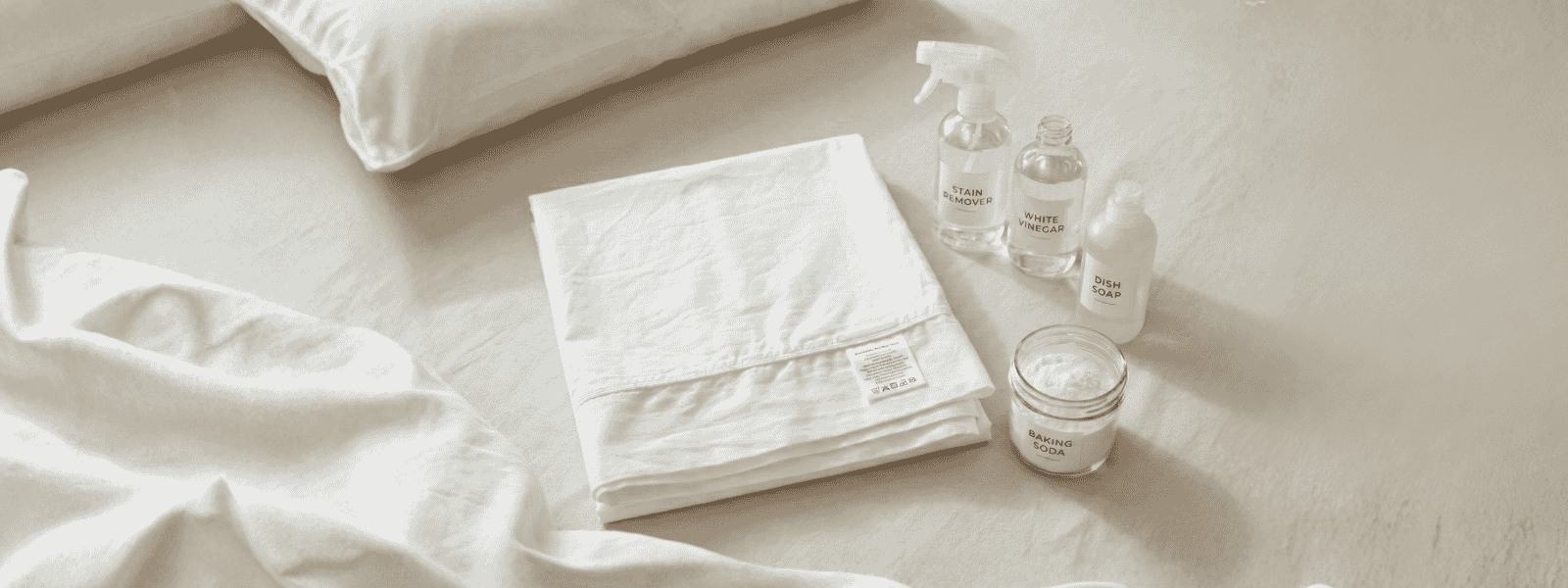
Start by stripping the bed completely and washing sheets, pillowcases, and blankets on a steady schedule. Check pillow labels to see if they are machine washable and how they should be dried. Hot water helps reduce dust mites, but always follow care instructions so you do not shrink fabric or fade color. As a simple rule, wash sheets once a week so the surface you sleep on stays fresh.
Give extra attention to the pieces that touch your skin the most. Pillowcases collect oils and skin cells quickly, so keep them on the weekly cycle. If your pillows are washable, clean them every three to six months and dry them fully so the fill stays fluffy. A removable duvet cover can be washed every two to four weeks and benefit from a monthly refresh. Clean bedding supports better sleeping. Keeping fabrics free of dust, skin cells, and common allergens reduces itchiness and breathing discomfort, which means fewer wake ups and an easier time settling back to sleep.

Clean your mattress
Dust, sweat, and skin flakes might build up over time if a mattress is left unchecked, and that can leave the surface less fresh and more irritating than it needs to be. A cleaner mattress feels better and helps you sleep more comfortably. A simple routine keeps things calm and comfortable without a big production.
Start by stripping the bed and airing the mattress for a few minutes. Open a window if you can. Vacuum the surface slowly with an upholstery tool to lift dust from the top layer and seams. If you see a spill or mark, spot clean right away with a small amount of mild detergent and cool water on a cloth. Blot, do not scrub, so you do not push moisture deeper. For odors, lightly sprinkle baking soda over the surface, let it sit for thirty to sixty minutes, then vacuum again. If the mattress can be rotated, do that now to even out wear. Finish strong: wash your mattress protector, let the mattress breathe until fully dry, and set a reminder to repeat this routine every six months; your bed and sleep will feel noticeably fresher.
Declutter your space

If the last thing you see is a tangle of laptop cords and phone chargers on the floor, your brain reads “unfinished tasks,” not “time to rest.” A messy room keeps the mind lightly switched on even after you turn the lights off. Think of clearing visual clutter as closing background tabs so your mind can idle.
Start with the nightstand. Keep only what you use every evening and morning: a lamp, water, a single book, and a charger. Everything else goes in a drawer or a small tray so the surface reads calm at a glance. Give the room a few easy anchors. Closed storage beats open shelves near the bed. Hide cables with clips or a cord box and route them behind furniture. Place a light laundry hamper where clothes usually land so the floor stays clear. If you like decor, choose one piece of art or a simple plant rather than many small objects. When the room looks settled, your body gets a clear cue to do the same.
Extra: Simple add-ons that help
Swap the last few minutes of scrolling for a small wind down ritual: dim the lights, fold tomorrow’s throw, set a glass of water, and take a few slow breaths. Leave a buffer after dinner and drinks; if you need something later, choose a light snack like yogurt, a banana, or a few nuts. A 10 to 15 minute walk after dinner can ease digestion and help your body settle. These tiny add ons stack with your bedding upgrades to make sleeping feel easier and more consistent.
Conclusion
If sleeping has felt like more work than it should, start small and start with what you touch most. The right materials, a pillow that fits your position, a steady wash rhythm, and a calmer room add up fast. When your bedding supports you, falling asleep and staying asleep feel easier and more predictable.
Ready to put this into practice? Start with small, high-impact changes you can feel right away. When you are ready to build your own setup, explore the sheet collection online at Orchids Lux Home and find pieces that feel good from the first wash and hold up for the long run.
FAQs
Are linen sheets soft?
Yes. Pure linen can feel a little crisp at first, but it relaxes quickly and becomes noticeably softer after a few washes; most people find it gets better with every wash.
What are the benefits of Egyptian cotton sheets?
Egyptian cotton breathes well and manages moisture, absorbing and moving it away from your skin. That helps you stay cooler on warm nights and comfortably balanced in every season.
What is the 10-3-2-1-0 rule for sleep?
This rule states - 10 hours before bed: No more caffeine.
3 hours before bed: No more food or alcohol.
2 hours before bed: No more work.
1 hour before bed: No more screen time.
0: The number of times you hit snooze in the morning
What to avoid while buying Linen sheets?
Avoid linen made with short fibers. Short-fiber linen is more prone to pilling, shedding, and tearing, so it loses the smooth drape and relaxed, natural look you expect from high-quality linen. Choose long-fiber (flax) linen with a consistent weave and a clean surface, these hold up better and age beautifully with washing.
How often should I wash my bedding?
Wash sheets and pillowcases weekly. Clean the duvet cover every two to four weeks and launder the comforter or insert one to two times per year, spot cleaning as needed. Wash pillows every three to six months according to the care label and use zippered encasements you can launder monthly. Vacuum and air out the mattress about every six months.