
Pet Friendly Bedding Buying Tips That Help You Shop Smarter
If your dog treats your bed like a VIP lounge or your cat claims the pillow before you do, you’re not alone. For a lot of pet owners, the bed isn’t just where we sleep. It’s where pets nap, shed, stretch, scratch, and sometimes track in a little extra mess. That’s exactly why choosing the right bedding matters more than most people realize.
Pet friendly bedding isn’t about giving up your comfort or style. It’s about making smarter choices so hair doesn’t cling, odors don’t linger, and sheets don’t look worn after a few washes. When the right fabrics, colors, and layers are in place, your bed stays cozy and looks cleaner longer, even with pets in the mix.
In this guide, we’re breaking down buying tips that help you shop smarter. From protecting your mattress to choosing the best fabrics, inserts, and easy-care habits, these tips are designed for real homes with real pets.
Table of Contents
Protect the mattress
Your mattress is the hardest thing to clean and the easiest thing to forget about. Once pet hair, moisture, or accidents reach it, there’s no quick fix. That’s why adding a waterproof mattress protector is one of the smartest first steps in a pet-friendly setup. It creates a barrier that shields against spills, drool, muddy paws, and the occasional surprise, all without changing how your bed feels.
Look for a protector that’s breathable and fully encases the mattress or fits snugly, so it stays in place even with a restless sleeper on four legs. It’s a small upgrade that quietly extends the life of your mattress and saves you from bigger headaches later.
Pick pet-proof sheets
Your sheets take the most “pet contact” out of anything on the bed. If you’ve ever pulled a fitted sheet out of the wash and it still looks like it’s wearing a fur sweater, it’s usually not your washer, it’s the fabric.
The goal is simple: choose materials that don’t hold onto smells and hair, and can handle frequent washing without looking tired.
Below are four fabrics that tend to work best in pet households, with what they’re good at (and what to watch for) so you can pick based on your pets and your routine.
Tencel (Lyocell)
Tencel is a great choice when you want sheets that feel smooth but still perform like a workhorse. Because the fibers are naturally sleek, pet hair is less likely to get caught on the surface the way it can with fuzzier fabrics. That means less clinging, easier shake-offs, and quicker cleanup between wash days. Tencel also manages moisture well, which can help your bed feel more comfortable and less “stuffy,” especially if your pet likes to nap under the covers or your home runs warm.
Another perk is comfort without fragility. Tencel has a soft, drapey feel, but it isn’t delicate in the way silk can be, so it handles regular laundering better. It’s also often considered a hypoallergenic-friendly choice, which can be helpful if you’re sensitive to dust, dander, or seasonal allergies. Since the fabric stays smooth and breathable, it’s less likely to become a “grabby” surface for irritants to hang around. Choose a quality set and follow the care instructions, and you’ll get sheets that feel elevated while still fitting real life with pets.

Linen
Linen is the “built for real life” pick, especially if you’re dealing with heavy shedders or a pet that thinks your bed is a racetrack. Its texture is a little more naturally nubby, which sounds counterintuitive, but it can actually help because hair doesn’t cling the same way it does on plush or fuzzy fabrics. Instead of embedding into the fabric, fur often sits closer to the surface, making it easier to brush or shake off. Linen is also known for being breathable, so it helps with temperature swings if your pet runs hot or loves sleeping right against you.
Durability is where linen really earns its keep. It’s the kind of fabric that can take frequent washing and daily use, and it tends to get softer over time rather than wearing out quickly. That’s helpful if you’re trying to avoid sheets that pill, thin out, or look rough after a couple of months of pet traffic. Linen can be an investment, but if your priority is long-lasting sheets that don’t trap heat and don’t feel high-maintenance, it’s a strong contender.
Tightly woven cotton
Cotton is often the easiest, most practical option for pet owners, but the secret is in the weave, not just the label. A tightly woven cotton sheet creates a smoother surface, which makes it harder for pet hair to embed itself and harder for little nails to snag threads. That’s why percale is usually the go-to recommendation for pet households. Percale has a crisp, structured feel and is commonly woven more tightly than sateen, so it tends to resist hair cling and snagging better. If fur and claw marks are your main problem, choosing percale can make a noticeable difference in day-to-day cleanup.
Cotton is also friendly for frequent washing, which is a big deal when you’re laundering more often than the average person. It breathes well, feels comfortable year-round, and is widely available at different price points. If you prefer a softer, more “glowy” finish, sateen can feel cozy, but it may be more likely to show pulls and hold onto hair compared to percale. For most pet homes, tightly woven cotton, with percale as the first pick, hits the sweet spot between comfort, durability, and easy care.
Bamboo
Bamboo-based sheets are popular in pet homes for one main reason: they’re smooth and cooling. That slicker surface helps reduce how much hair and dander cling compared to more textured or fuzzy fabrics, and it can feel especially comfortable if your pet sleeps hot or you live in a warmer climate. Bamboo sheets also tend to handle moisture well, which can help your bed feel fresher between washes, especially if your pet likes to burrow under blankets or nap in the same spot every day.
Skip snaggy fabrics
Some bedding fabrics are better suited for low-shed, low-scratch households. If your pet sleeps on the bed daily, velvet and flannel can take a little more effort because their plush surfaces tend to hold onto hair instead of letting it brush off quickly. Silk is beautiful and naturally smooth, but it’s also more delicate, so it may not be the best match for paws and claws. And while cotton is often a great option, loose-weave cotton can allow fur and dander to settle deeper into the fibers, which can make cleanup feel harder than it needs to be. If you love the look of these fabrics, consider using them as accents or layering with a washable top throw where your pet usually lounges.
Choose patterns that hide pet hair

If pet hair is part of your daily reality, patterned bedding is one of the easiest “shop smarter” moves you can make. Prints and multi-tone designs help camouflage stray fur far better than solid colors, especially bright whites or very dark shades that tend to show every little strand.
Think of patterns as built-in visual backup: they make the bed look tidy even when your pet has taken a few strategic naps.
It’s also a fun way to style your space without stressing over perfection. Stripes, small florals, checks, and subtle textures can add a cozy, lived-in vibe, while still keeping that “made bed” look.
A good rule of thumb: choose patterns with a mix of mid-tones that are closer to your pet’s fur color for the best hiding power.
Go with a Down alternative duvet insert
A down alternative insert is a smart pick for pet homes because it gives you that fluffy, cozy loft without the extra upkeep that often comes with feather-filled bedding. Most are filled with soft microfiber that mimics the feel of down, so you still get warmth and comfort, just in a more wash-friendly way.
It’s also a nice option if anyone in your home is sensitive, including pets. Some dogs can react to feather-filled inserts (or the dust and dander they can collect over time), so choosing a synthetic fill can feel like an easier, lower-fuss route. Pair it with a removable duvet cover, and you’ve got a setup that’s simple to refresh. When life happens (muddy paws, drool, the occasional accident), you can wash the cover regularly and keep the insert protected, which helps your bedding stay easier to manage overall.
Add a washable top layer
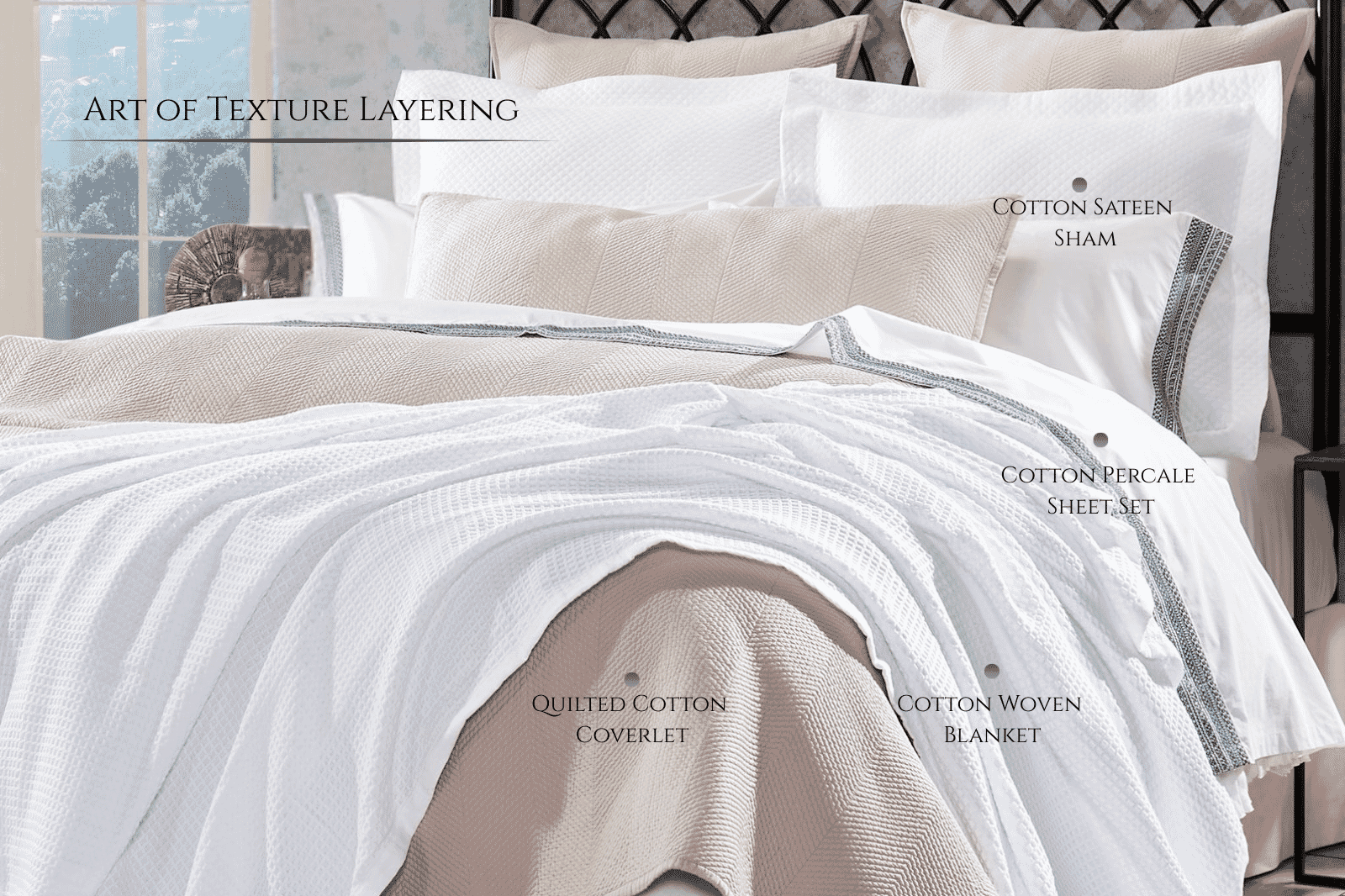
One of the easiest ways to keep your bed looking presentable with less effort is to let a top layer take the hit. A washable throw, coverlet, or lightweight quilt works like a removable shield: it catches loose fur, helps protect against little scratches, and adds a simple barrier for everyday pet “stuff” (drool, dusty paws, the occasional surprise). It also gives your pet a clear lounging zone, so the rest of the bedding shows less wear over time.
Choose something you can toss in the wash often without overthinking it. Cotton and linen are reliable picks, and textured styles like quilting or waffle weaves tend to be more durable and forgiving around claws. The key is practicality: check the care tag and avoid anything that needs special cleaning. If weekly washing feels like a lot, even swapping and washing the top layer every week or two can make a noticeable difference, while your sheets and duvet cover can go a bit longer between wash days.

Prevent claws and snags
Claws are usually the #1 reason “new bedding” starts looking not-so-new. For cats, the best defense is giving them a scratching post they actually want to use and keeping it available all the time. Place it near the bedroom or wherever they naturally scratch, and redirect them there before the bedding becomes the target. For dogs, regular nail trims help a lot, and smoothing the edges (so they’re not sharp or jagged) can make an even bigger difference in preventing pulls and catches.
Shopping smart helps too. Some materials and details are simply easier to snag, like raised textures, appliqués, chunky woven finishes, or looser weaves. They can look beautiful, but if your pet likes to “knead,” dig, or hop around on the bed, those surfaces tend to show wear faster. If snags are a concern, stick with smoother, tightly woven bedding and save the more textured styles for areas pets don’t use as much.
Set a pet sleep spot

If your bed is starting to feel more like your pet’s personal hangout than your sleep space, giving them their own spot can be a game-changer. It doesn’t have to be an “off the bed forever” rule. Think of it as creating a cozy default that keeps them close while keeping your bedding more manageable..
A comfortable pet bed next to your bed (or a dedicated blanket in a consistent corner) can reduce how much fur, dander, and everyday pet odor ends up in your sheets.
Make it easy for them to love: place it where they already like to sleep, add something familiar like a favorite blanket, and reward them when they settle there.
Over time, many pets naturally choose their spot more often, and your bed stays easier to keep up with a lot less effort.
Keep bedding and pets clean for a fresher bed
Bedding care
A consistent wash routine is the easiest way to keep your bed feeling fresh when pets share it. Aim to launder sheets about once a week, and wash your duvet cover, quilt, or top layer more often if your pet sleeps on top. Before you toss everything in, do a quick pass with a vacuum attachment, lint brush, or roller so fur doesn’t end up swirling around your washer. If there’s a stain or accident, pre-treat it first with a pet-safe remover. Washing your sheets separately from heavier items like quilts or duvet covers can also help everything get cleaner and rinse out better.
Pet care
A cleaner bed starts with a cleaner pet. Brushing regularly pulls loose hair before it lands in your sheets, and most pets need it more often during seasonal shedding. Keep a brush near where your pet sleeps so it’s easy to do a quick pass before bedtime. Wiping paws after walks helps reduce dirt and outdoor grime making its way onto the bed. If your pet is prone to odor, a bath schedule that fits their coat type, plus routine ear and paw care, can make a noticeable difference in how fresh your bedding stays. The less hair and “outside” they bring in, the longer your bed stays clean.
Conclusion
Living with pets doesn’t mean settling for worn-out sheets or constant cleanup. With a few thoughtful choices and simple habits, your bed can stay comfortable, inviting, and easy to live with. If you’re ready to make those upgrades, Orchids Lux Home offers thoughtfully designed bedding made to handle everyday living with pets, without sacrificing how your bed looks or feels. Exploring pet-friendly options that fit your routine can be the first step toward better sleep, fewer laundry days, and a bed that feels like a place you actually want to unwind.
FAQs
What makes bedding pet friendly?
Pet friendly bedding is designed to handle frequent washing, resist snagging, and release hair more easily than delicate or loosely woven fabrics.
How often should I wash sheets if my pet sleeps with me?
Washing sheets about once a week is a good baseline, especially if your pet spends most nights on the bed.
Are certain fabrics better for shedding pets?
Yes. Smooth, tightly woven fabrics tend to release hair more easily and show less buildup between washes.
What’s the easiest way to reduce pet hair on the bed daily?
Regular brushing of your pet and a quick shake or vacuum of bedding can make a big difference.
Can I still use luxury bedding with pets?
Yes, choosing durable, easy-care versions and adding a washable top layer helps protect more refined pieces.