The Luxury Sleep Edit for 2026: Bedroom Rituals Worth Keeping
The New Year always arrives with a checklist. Most New Year resolutions fail because they ask for too much, too fast. Instead, start with something quietly powerful: the resolution that makes everything else easier – deeper and more consistent sleep. This edit rounds up the simple shifts that make your nights feel smoother and are worth keeping long after the resolution glow fades. Pick one, try it for a week, then build from there.
Table of Contents
Upgrade to Luxurious Bedding
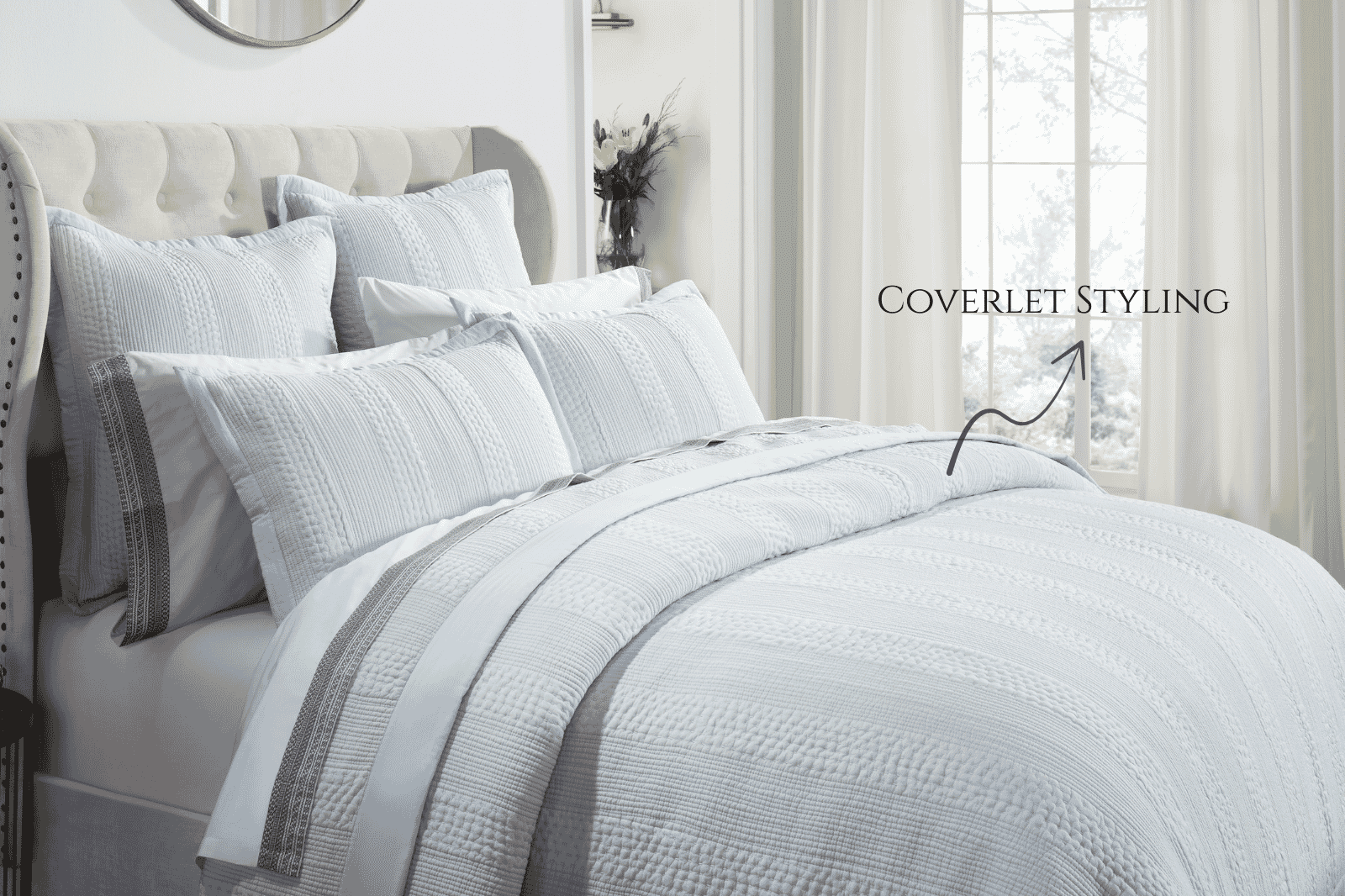
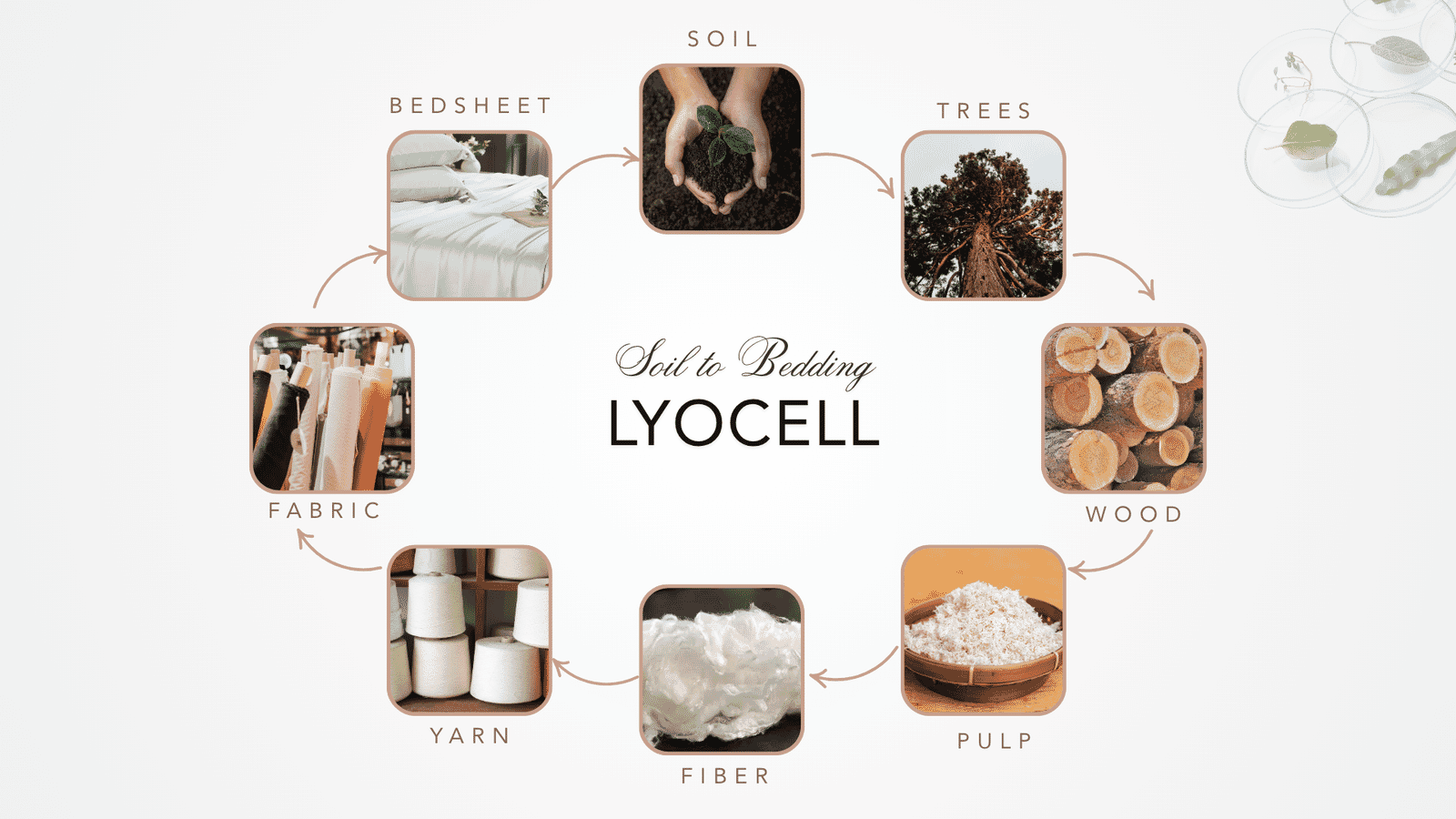
Luxury, here, isn’t “more stuff.” It’s frictionless comfort, night after night, and fabric choice plays a bigger role than most people think. The right material can feel cooler, smoother, and less clingy, which means fewer midnight adjustments and a bed that’s easier to settle into. Start with the layer you touch first: sheets that breathe well, feel good against skin, and hold up to frequent washing. (If you want a quick cheat sheet on fabrics, we shared it in our Bedding Hacks guide). From there, look at the pieces that control comfort through the night: a duvet insert that suits your room temperature (and whether you run warm or cool), plus a cover that doesn’t trap heat or feel stiff. The goal is a bed that stays consistent, not one you keep rearranging at 2 a.m. Finish with one polished touch, like a single cushion or a neatly folded throw, so it looks as calm as it feels.
Choose a Soothing Colour Palette

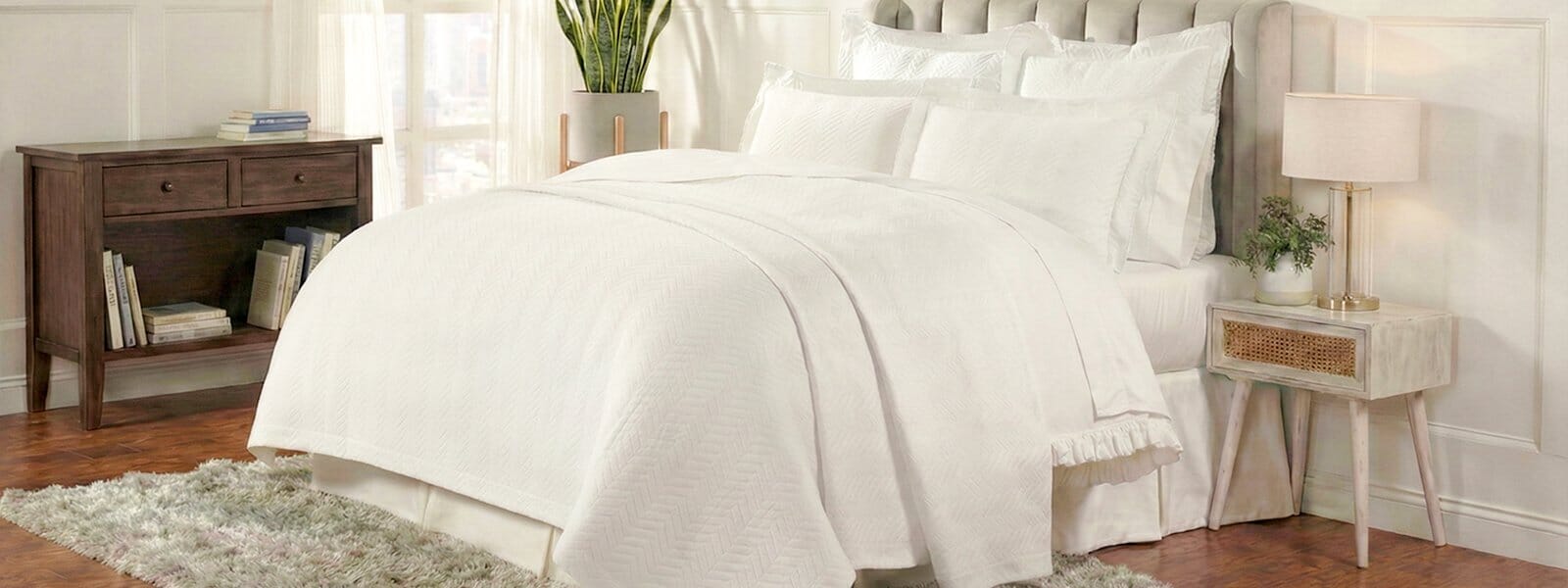
Think of your room’s color palette as the first note in an evening soundtrack: if it’s loud, everything after feels loud. The good news? You don’t need to paint a single wall to turn the “volume” down. Start with smaller, swappable pieces that set the tone fast, curtains, a throw in one grounded hue, or a rug that softens the space visually. Let your furniture and soft furnishings take cues from Pantone’s 2026 Color of the Year, Cloud Dancer, a whispery off-white that adds airy lightness through slipcovers, upholstered accents, or even a simple cushion upgrade. Then bring the palette onto the bed, too: sheets, pillowcases, duvet cover, and throw in calming tonal shades (soft white and cream, smoky blue, sage) create an effortless, pulled-together look without feeling busy. Keep it simple with two main colors and one accent, and repeat that accent three times so the room feels curated, not chaotic.
Think of your room’s color palette as the first note in an evening soundtrack: if it’s loud, everything after feels loud. The good news? You don’t need to paint a single wall to turn the “volume” down. Start with smaller, swappable pieces that set the tone fast, curtains, a throw in one grounded hue, or a rug that softens the space visually. Let your furniture and soft furnishings take cues from Pantone’s 2026 Color of the Year, Cloud Dancer, a whispery off-white that adds airy lightness through slipcovers, upholstered accents, or even a simple cushion upgrade. Then bring the palette onto the bed, too: sheets, pillowcases, duvet cover, and throw in calming tonal shades (soft white and cream, smoky blue, sage) create an effortless, pulled-together look without feeling busy. Keep it simple with two main colors and one accent, and repeat that accent three times so the room feels curated, not chaotic.
Use Textures in the Space
Texture is the invisible stylist. Even with a neutral palette, the bed looks intentionally rich when you mix finishes: crisp cotton, a linen cover, a plush throw, and a ribbed cushion. Plush, touchable textures are the fastest way to make a bedroom feel warmer, without adding visual clutter. Start with a dense, cushioned rug or a soft runner beside the bed so mornings don’t begin on a cold floor. Then add one comforting layer you’ll actually use, like a substantial knit or brushed throw folded at the foot of the bed, plus a single textured accent (a quilted or velvet-finish cushion works beautifully) to create depth without looking busy. Even simple touches like softly woven curtains or a linen-textured bench at the foot of the bed can make the whole room feel quieter, calmer, and more intentionally cozy.
Soften Your Lighting
Instead of flipping from bright to pitch-black in one go, create a softer landing. Your body responds to changes in artificial light, so an abrupt switch can feel unsettling, while gradually dimming as bedtime approaches helps signal that the day is winding down. Overhead lights are the interrogation lamps of interior design. This is where layered lighting shines: a soft bedside lamp, a floor lamp in the corner, and if you have it, a dimmable sconce. If your fixtures don’t dim, plug-in dimmers or smart bulbs make it easy to lower the glow without rewiring.
Aim for warm, gentle light rather than cool, bright light. Those warmer hues are easier on the eyes and are less likely to interfere with melatonin. If you read in bed, angle light downward and away from your face, then switch to the softest setting for the last 15–20 minutes. Add blackout shades if outside light spills in, and keep a tiny amber night-light for midnight trips so you don’t wake the whole room up at once.

Instead of flipping from bright to pitch-black in one go, create a softer landing. Your body responds to changes in artificial light, so an abrupt switch can feel unsettling, while gradually dimming as bedtime approaches helps signal that the day is winding down. Overhead lights are the interrogation lamps of interior design. This is where layered lighting shines: a soft bedside lamp, a floor lamp in the corner, and if you have it, a dimmable sconce. If your fixtures don’t dim, plug-in dimmers or smart bulbs make it easy to lower the glow without rewiring.
Aim for warm, gentle light rather than cool, bright light. Those warmer hues are easier on the eyes and are less likely to interfere with melatonin. If you read in bed, angle light downward and away from your face, then switch to the softest setting for the last 15–20 minutes. Add blackout shades if outside light spills in, and keep a tiny amber night-light for midnight trips so you don’t wake the whole room up at once.
Introduce Aromatherapy, Gently
Scent is memory with a shortcut key. The trick is consistency and subtlety, so your brain learns: this smell means unwind. Start with one note you truly like, such as lavender, bergamot, cedar, or chamomile. Use it in a low-risk format: a room spray on curtains, a drop on a cotton ball tucked into a drawer, or a diffuser on a timer for 15 to 30 minutes. Keep it minimal: one scent per season, not a perfume counter. If you use essential oils, follow dilution and safety guidance, especially around pets and kids. For extra calm, pair scent with one repeating action, like opening a window for fresh air or doing three slow breaths. Medical sources discuss aromatherapy as a possible relaxation tool, with practical safety notes. Avoid applying oils directly to skin or pillows without guidance, and never ingest them unless a qualified clinician directs you.
Invite Nature In

According to a study by NASA, researchers evaluated the whole plant “system” as a way to help reduce certain indoor air pollutants in controlled environments. Science aside, the everyday payoff is immediate: a bedroom feels softer the moment something living shows up.
One plant on a dresser, a branch in a vase, even a bowl of citrus can shift the mood from “storage zone” to sanctuary. If your room gets low light (and watering happens when you remember), go for resilient picks like snake plant, pothos, fiddle leaf fig, or ZZ plant. Keep them where you’ll enjoy them in the morning, and a little away from the bed if pollen or scent bothers you.
No plants? Borrow the same grounded feeling with natural textures like rattan, wood, stone, or linen.
According to a study by NASA, researchers evaluated the whole plant “system” as a way to help reduce certain indoor air pollutants in controlled environments. Science aside, the everyday payoff is immediate: a bedroom feels softer the moment something living shows up.
One plant on a dresser, a branch in a vase, even a bowl of citrus can shift the mood from “storage zone” to sanctuary. If your room gets low light (and watering happens when you remember), go for resilient picks like snake plant, pothos, fiddle leaf fig, or ZZ plant. Keep them where you’ll enjoy them in the morning, and a little away from the bed if pollen or scent bothers you.
No plants? Borrow the same grounded feeling with natural textures like rattan, wood, stone, or linen.
Build in Relaxing Nighttime Routine
Instead of promising an early night, build a short routine you can repeat even on chaotic days. Begin with an evening reset: clear one surface, set out tomorrow’s outfit, and charge your phone across the room. Then choose two calming actions, a warm shower, a few minutes of gentle stretching, a page of journaling, or slow breathing. If you like a warm drink, go caffeine-free (chamomile, peppermint, rooibos) and sip away from the bed. Keep screens dim and minimal too since exposure to blue light can reduce melatonin and keep your brain feeling “on,” making it harder to drift off and affecting overall sleep quality. Keep the routine under 20 minutes, and do it in the same order nightly. Consistency is what makes it feel automatic.
NOTE:

Think of sleep as an investment, not a reward you earn only after the to-do list is done. The easiest way to protect it is to start small, because one habit done consistently will outlast an over-ambitious reset that burns out in a week. Be realistic, too: life will interrupt you, and missing a night doesn’t mean you’ve failed, it just means you return to the ritual the next evening. And while you’re building it, celebrate the quiet wins: waking up clearer, feeling more patient, starting the day with a little less resistance. That’s progress, and it counts.
Conclusion
Trends come and go, but bedroom rituals worth keeping share one superpower: they make the room feel protected. The best New Year resolutions aren’t the loud ones, they’re the quiet upgrades you can repeat on your most ordinary Tuesday. Consider this your permission slip to keep it simple, refine the space, soften the edges of your evenings, and let consistency do the heavy lifting.
If you want one change that makes the room feel calmer immediately, start with the bed. When your layers look (and feel) effortless, the whole space softens, which is exactly the kind of everyday comfort Orchids Lux Home designs for. Give your new rituals a little time before you judge them. At the end of the month, keep what feels genuinely restorative and drop the rest. Your bedroom should feel like a gentle boundary, not another to-do list. Make it yours.
FAQs
How to make your bedroom more calming?
Start by upgrading your sheets, lighting, and add one calming scent. Also swap to warm bulbs and one framed print for instant cohesion without spending much.
Does screen time make it harder to fall asleep?
Research suggests that exposure to blue light before bed can interfere with your body’s natural wind-down signals, which may make it harder to fall asleep and can impact overall sleep quality.
What are realistic New Year sleep rituals I can actually stick to?
Pick one tiny, repeatable habit instead of a full lifestyle overhaul, like setting a consistent “lights-dim” time, making your bed feel inviting (fresh sheets, fluffed pillows), or doing a 10-minute screen-free wind-down. Treat it like a ritual, not a rule, and aim for consistency most nights rather than perfection.
How can I improve sleep quality?
Keep a steady schedule (same wake time most days), dim lights in the evening, and build a short pre-bed routine you can repeat even on busy nights (shower, stretch, read a few pages). Also: aim for a cool, dark room and treat wake-ups like speed bumps, not emergencies.
Does bedding affect sleep quality?
Yes, mainly through comfort and temperature regulation. Bedding creates a “microclimate,” and the right materials can help you stay in a comfortable thermal range through the night. Research reviews also examine how different fibers and insulation levels influence thermal comfort and sleep outcomes, which is why breathable, easy-to-layer setups tend to work well for more people.