What Makes European Linen Worth The Hype?
If you are here that means you have been hearing a lot about European Linen. It comes up in bedding guides, design conversations, and product descriptions that make it sound like the gold standard of comfort. But if you haven’t owned it before, it’s hard to know whether it’s actually worth the attention or just another well-marketed upgrade.
Linen itself already has a reputation for being breathable and relaxed, but European linen is often described as smoother, stronger, and better with time. That sounds great in theory. The real question is whether those differences show up in everyday use. This guide breaks down what European linen really is and whether it lives up to what you’ve been hearing.
Table of Contents
What is Linen?
A fabric made from flax, the flowering plant Linum usitatissimum (also called linseed). It’s an ancient textile with deep roots in European wardrobes and homes, but “linen” itself is a wide umbrella. Depending on where the flax is grown and how the fiber is handled, two linens can look similar online and feel completely different in real life.
What Makes Linen “European”?
European linen is a subset of linen defined by origin. It is made from flax fibers grown in Western Europe, most commonly France, Belgium, and the Netherlands. This is also where much of the world’s premium flax is cultivated, which is part of why European-sourced linen remains relatively rare in the overall textile market. If you see EUROPEAN FLAX®, that certification is designed to confirm traceability for flax fiber grown in Western Europe, with audits handled by an independent third party.
When it comes to feel, it usually starts off crisp and clean, not instantly “buttery.” It’s airy with a refined texture that still looks effortless on the bed, even straight from the wash. There’s a bit of structure, but it doesn’t feel stiff or heavy. With time and regular use, it relaxes into a softer, more familiar hand, like it’s settling into your everyday.

And if linen has ever felt rough to you, it was likely the fiber grade. Short, coarse fibers can feel scratchy, while long-fiber flax tends to feel smoother and more comfortable. The difference is quality, not linen itself.
What are the Types of European Linen?
French, Belgian, Russian, Swedish, and Danish linen are essentially ways of telling you where the flax was grown and where the fabric tradition comes from, not that it’s a different material. That origin matters because climate, soil, and local weaving practices shape the final feel.
– French linen is often described as smooth, soft and refined, with an easy drape that feels polished without trying too hard.
– Belgian linen leans into heritage and consistency, and it’s widely associated with excellent quality and long-lasting strength.
– Russian linen is typically the most rugged of the group, with a firmer, more substantial feel that suits heavier-use pieces like table textiles.
– Swedish linen has a strong connection to damask weaving, so it often looks more structured and tailored, especially in classic table linens.
– Danish linen is tied to weaving and jacquard traditions, which can translate into timeless patterns and an heirloom feel.
All of them can be breathable, but the texture and weight can vary based on tradition and finishing.
What Sets European Linen Apart?
Breathes like it was made for sleep
This fabric feels less clingy because air can move through it more easily than many common bedding materials. That airflow helps reduce the “stuck to the sheets” feeling on warm nights and keeps the bed feeling fresher overall. It’s a simple difference, but one you notice quickly, especially if you tend to sleep hot.
Stays comfortable as the night changes
This fabric is prized for staying “even” through the night. A big part of that comes from moisture and heat moving through the textile instead of getting trapped. In practical terms, it’s less likely to feel swampy at 2 a.m. and more likely to stay calmly comfortable as your body temperature shifts.
Strong enough for everyday living
Western and Northern Europe are major flax-growing regions, with France, Belgium, and the Netherlands frequently cited as leading producers in the EU. Those growing conditions support long-fiber flax that is naturally strong and higher grade, often used in finer textiles, which sets the tone before weaving even begins. In other words, the “nice feel” starts with agriculture, not just finishing. That’s why the fabric can handle regular laundering and frequent use without feeling fragile.
Softens with every use
Good linen often starts with a clean, slightly crisp hand and relaxes as you live with it. Each wash and each night helps it become more supple and comfortable, while still keeping its signature texture. It doesn’t turn limp or overly slick, it simply gets nicer.
Texture that looks intentional
Linen doesn’t pretend to stay perfectly pressed, and that’s part of its charm. It forms soft creases that make a bed look inviting rather than overly styled. The texture reads relaxed and elevated, not messy.

Responsibly grown, thoughtfully made
One reason this fabric appeals to eco-minded shoppers is that the story starts on the farm. In many Western European flax-growing regions, flax is mostly rain-fed, so it typically doesn’t need irrigation. It’s also commonly grown in crop rotation, which helps keep soil healthier over time. And compared with more input-heavy crops, flax generally needs less water and fewer pesticides and fertilisers, which is why it’s often considered a lower-maintenance choice.
The eco side isn’t just about farming, though. In certified European supply chains, turning flax into fiber is often described as mostly mechanical, and makers focus on using as much of the plant as possible to reduce waste.
Plus, since linen is a plant-based material, 100% linen is biodegradable, meaning it can break down naturally at the end of its life, especially when it’s not blended with synthetics.
What Should You Buy First?
If you’re curious but not ready to overhaul your entire bed at once, start with the pieces you’ll feel immediately. At Orchids Lux Home, the easiest entry point is a sheet set and pillowcases. They’re close to the skin, used nightly, and they show you the fabric’s true personality fast, cool to the touch, breathable, and increasingly comfortable with use.
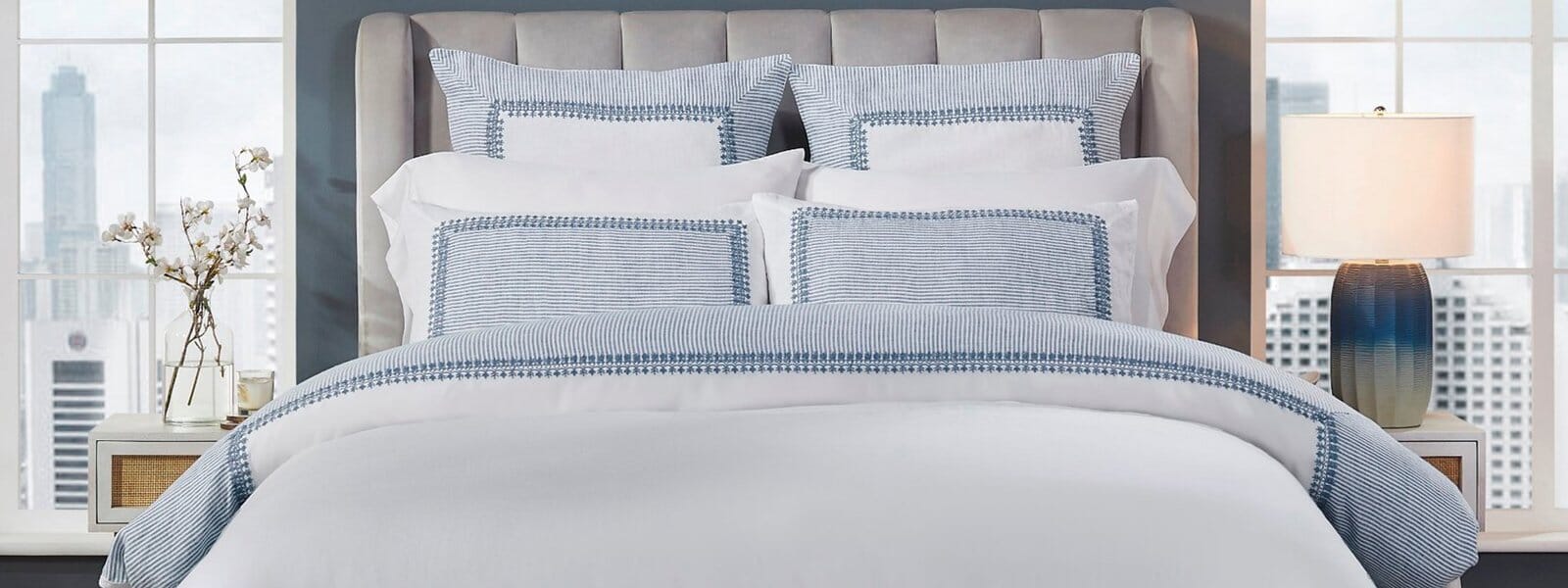
If you want a change you can see as much as feel, go one layer up. A Quilt is a great “everyday luxury” upgrade, while a Coverlet gives you that tailored, design-forward look with an easy drape. Prefer a more complete refresh? A Duvet cover makes the biggest visual difference in one move and is often the fastest way to make your bed feel brand new.
To finish the look without going overboard, add Shams. They’re the small detail that makes everything feel intentional. And if you like to be sure before committing, you can request a Swatch first, so you can check the texture and color in your own light before you buy.

Conclusion
Sometimes the hype is just noise. But with this fabric, the appeal tends to show up quietly, night after night. From the start it is breathable and effortless, then later on without losing its character it becomes even more comfortable as it relaxes with use. If you’re looking for bedding that wears in beautifully, looks elevated without trying, and holds up to real life and repeat washes, it earns its reputation. And if you’re curious to experience it for yourself, you can always explore the European linen pieces at Orchids Lux Home and start with whatever feels like the easiest first step.
FAQs
What is European linen, exactly?
It’s still linen (made from flax), but the flax is grown in Western Europe and often comes with clearer traceability standards than generic “linen.”
Does linen feel scratchy?
It can, if it’s made from shorter, coarser fibers or heavily “budget-finished.” Better-grade flax linen typically starts crisp, then softens with use.
Do linen sheets keep you cooler than cotton?
Yes, many people find linen sleeps cooler because it breathes well and handles moisture differently. It’s a different feel than cotton, more airy and relaxed.
Are linen sheets good for hot sleepers?
Yes, they’re a popular pick because they tend to feel airy and handle moisture well compared with many other sheet fabrics.
Is linen good for allergies?
It’s not a cure, but breathable bedding plus frequent washing can help reduce the humid conditions dust mites love.